A hopefully not too pedestrian YouTube video
|
salve Reader! Guilty as charged: I have not been keeping up with my public YouTube channel as much as I initially planned for the Spring term. The new membership, my ongoing writing projects, my work for the ARLT... it has been an incredibly exciting term. And I am not even going to go into the fabulous work that has been happening behind closed doors with my one-to-ones! But, but, but... you will love to hear that I am now back into creating for YouTube. This week, I recorded myself with a practice activity for the word 'pes, pedis'. Now, if you have ever been to a pedicure, used a pedal or joined an expedition, you may have guessed the word means'foot'. You are a sapiens biped, after all! Without further ado, see how the humble 'pes' works in action here: Did you like it? Hit reply to let me know what the next word should be!
|
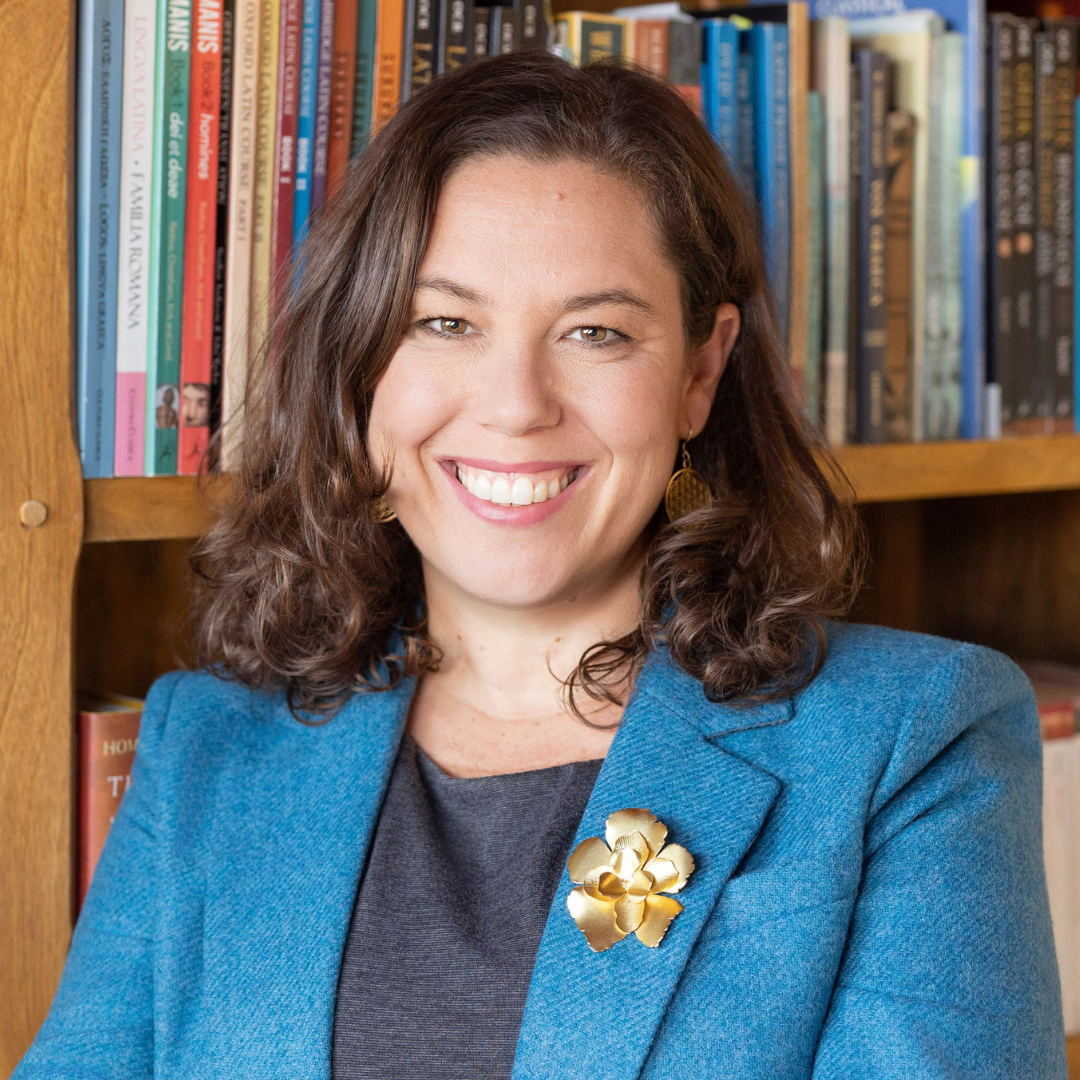
Hi! I'm a Classics specialist
Follow me for resources, learning tips and examination information
salve Reader! I have recently noticed some people adding spelling mistakes in an attempt to make their AI writing look human. If it is you, I am sorry to say this, but it does stick out like a sore thumb! In the same vein, I have heard from students asking AI to make their AI crafted essays look more natural by imitating what a younger learner might produce. (OK, a confession: I love my dashes and I have dramatically reduced their use to ward off any AI suspicions, so we are all perhaps...
salve Reader! Some people believe that because AI can translate and write texts for us, the future of translation studies is a bit bleak. The opposite is true. Let me show you what I mean with an example: Right now, I am at the airport waiting to take a flight to Spain. I have been invited to the launch of a new publishing house. They specialise in beautiful literary translations from Mandarin to Catalan, in physical format. Now, before you ask what the link is between the launch and...
salve Reader! Who does not love spring? I guess whoever decided it was a good idea to place all final exams at this point in the year. The bees are buzzing, the plants are flowering, but our teenagers are going through knowledge organisers and sitting indoors revising for high-stakes exams. I do not have much time for a newsletter this week, but you can see below what I have been up to this month. However, I thought it would be a good idea to send a little reminder that breaks, walks, treats...