I am at the airport
|
salve Reader! Some people believe that because AI can translate and write texts for us, the future of translation studies is a bit bleak. The opposite is true. Let me show you what I mean with an example: Right now, I am at the airport waiting to take a flight to Spain. I have been invited to the launch of a new publishing house. They specialise in beautiful literary translations from Mandarin to Catalan, in physical format. Now, before you ask what the link is between the launch and Classics, I will just leave it here that the editorial linguistic advisor is a classicist and good friend of mine, but the email about careers after Classics is for another day! Back to the book launch, it is precisely because of AI that we should be exploring what translations are for. What constitutes a good translation? Why do we need translators? And indeed, what is the actual role of a translation? These are very complex questions, and they vary depending on what we aim to translate, but they are questions ChatGPT will not be answering any time soon, because this is as much about linguistic ability as it is about feelings, intercultural understanding and, ultimately, our human interest in art and beauty. Precisely this week I had a chat with a parent who was delighted their child has chosen Latin. They said that, in the age of AI, the best future-proofing involves developing an understanding of our place in the world, in history and how the languages we speak can shape it. Music to my ears! As you can see, interest in languages is far from waning, because languages and communicating are what makes us human. Well, this turned out to be a long post, and I need to head to my gate. I guess it goes to show how much joy we can find in words. I could have asked ChatGPT to write something to stay in your inbox, yet I chose to sit at the café (there is a Gail's at Gatwick now!) and share my thoughts with you. I will let you know how it goes, but if you are around Barcelona, come and say 'Hi' (or 'salve!'). By the way, what are you reading at the moment? Is it an original or a translation? And does it matter? Here is the information for the event, in case I have piqued your curiosity, and you would like to find out more:
|
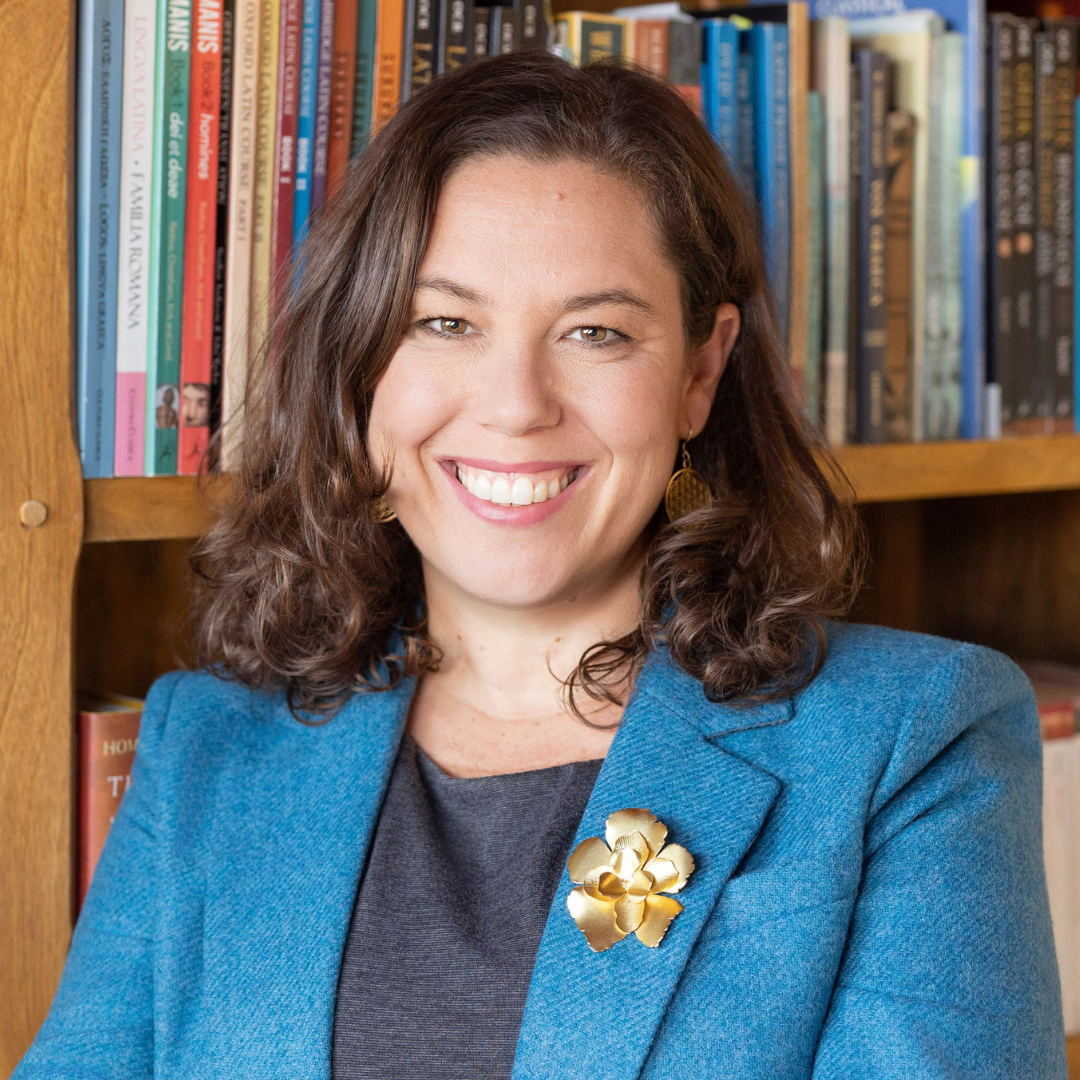
Hi! I'm a Classics specialist
Follow me for resources, learning tips and examination information
salve Reader! If you have been following me for a while, I am sure you have noticed that I discourage my students from learning vocabulary through apps like Quizlet. I promote keeping a written record, reading extensively and using the words in new contexts. Still, I am aware that some students just love the app format. So, after much insistence from students on having a vocabulary list or suggesting an app that works, I have opted for a middle path: an app that has words unlikely to not be...
salve Reader! Do you know the Catalan architect Antoni Gaudí? He is the genius behind the Sagrada Família in Barcelona. He believed that love came before any technical considerations, and looking at his ground-breaking architecture, I think we can all agree that his approach worked. This love-first approach is key to language learning. If there is no interest in reading a text to enjoy a story, it is very difficult to find the motivation to look at the grammar holding it together. The...
salve Reader, I am sure you have noticed I am not a native speaker of English. In fact, English was not even my second language until my twenties! I grew up and studied in Spanish and Catalan, my A-Level MFL was French, and I only really started developing my English after I received a scholarship to spend a summer in Ireland aged 21, where I kept talking to people in German because my English was still, ehem, a bit lacking. Young 20-year-old me enjoying the Irish summer Moving to England was...